
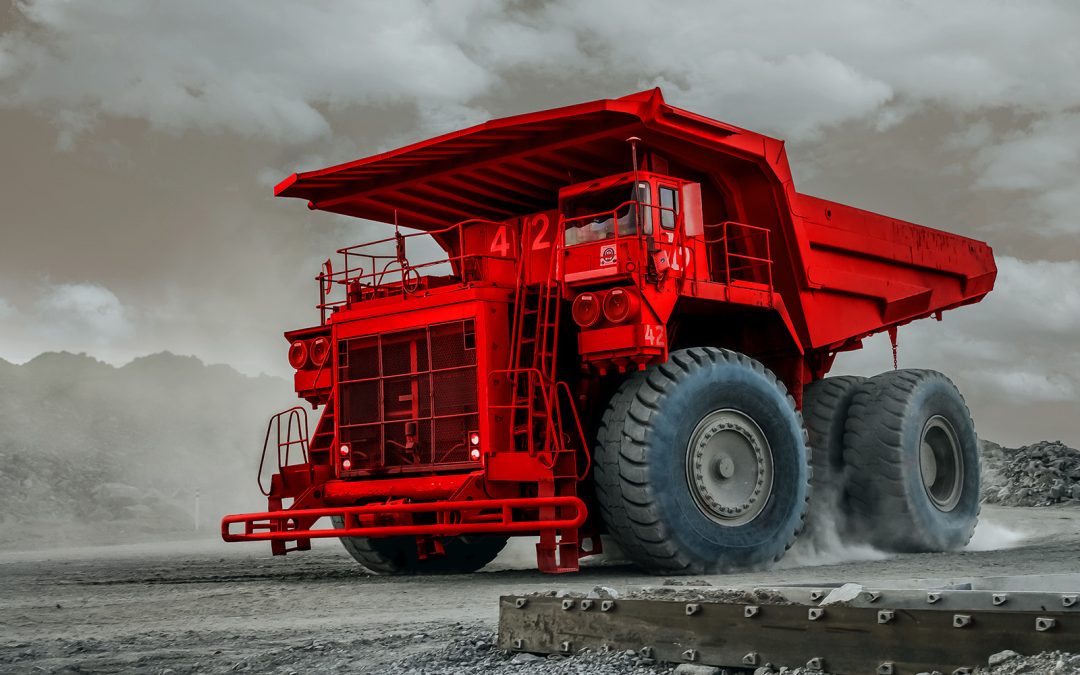
For a long time, the archetype of a successful mining CEO was well understood.
- Deliver the Asset
- Control Costs
- Execute Consistently
That model held because the environment allowed it to, and now it no longer does.
Mining has moved beyond the boundaries of a conventional industry. It now sits squarely within the machinery of Geopolitics, Energy Transition and National Security. What was once governed largely by markets is increasingly shaped by governments, policy and strategic intent.
In my earlier piece, Safe Havens in 2025, we observed that leadership itself is becoming a point of stability in an unstable world. Nowhere is that more apparent than here.
The signals are clear and accelerating. Governments are asserting control over critical minerals. Foreign investment regimes are tightening. Resource nationalism is no longer cyclical; it is structural. Permitting processes are slower, less predictable and often influenced as much by political calculus as by environmental assessment.
At the same time, the global trading system is fragmenting. Supply chains are being re-engineered, not for efficiency, but for resilience and alignment. For mining companies, this is not background noise. It is the new operating environment.
The role of the CEO has shifted accordingly.
Just running assets is no longer sufficient. The modern mining CEO must read policy signals, anticipate regulatory inflection points and position the organisation within a shifting geopolitical landscape.
This demands a different kind of capability.
- First, Geopolitical Acuity. An ability to interpret decisions made in Washington, Beijing, Brussels or Canberra and understand how they will manifest at the site level, in approvals, in capital flows and in strategic optionality. The Iran conflict is a current example of this.
- Second, Capital Credibility. Not simply accessing capital, but shaping a narrative that resonates with investors who are themselves navigating policy influence, sovereign priorities and long-term security considerations.
- Third, Stakeholder Navigation. Governments, regulators and communities are no longer peripheral stakeholders. They are active participants in value creation and at times, value constraint.
The consequences are already visible. Transactions halted or delayed on national interest grounds. Projects reshaped to align with government priorities. Asset valuations are increasingly influenced by jurisdictional exposure rather than geological quality alone.
At the same time, the push into copper, lithium and rare earths continues to gather pace. Demand is clear. The pathway to development is not. Governments want these resources, but increasingly on their terms. This creates an inherent tension.
How do organisations pursue growth in strategically favoured commodities while operating within tightening policy frameworks?
The answer is not found in operational excellence alone. It is found in judgment.
Strategic judgement, exercised under conditions of uncertainty, where the variables are political as much as commercial. This is where leadership teams are being tested. It is also where boards are recalibrating their expectations of what “fit for role” now means.
If leadership is indeed a safe haven, then the definition of leadership capability is evolving in real time. We are seeing a clear shift. Away from the purely operational CEO, towards leaders who can synthesise geopolitics, capital dynamics and stakeholder complexity into a coherent and defensible strategy.
For boards, the risk is increasingly stark.
Appointing yesterday’s CEO may deliver operational stability. It is unlikely to secure strategic positioning. In this environment, a CEO appointment is no longer simply about execution risk. It is a strategic decision with long-term consequences.
TRANSEARCH International works with organisations to build leadership teams that are resilient, future-focused and aligned to the realities of this evolving landscape. If you would like to explore any of the themes raised here, or discuss executive or board appointments, I would welcome a conversation. please contact me or connect with me on LinkedIn.
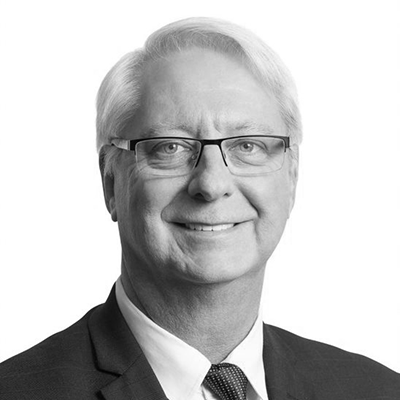
Lindsay Craig is the Managing Partner of TRANSEARCH International Perth. Over 25 years’ experience in the retained Executive Search industry has allowed him to build an extensive and valued network of local, national and international executives and directors. He works closely with boards and senior leadership teams on structure, remuneration and talent strategies. Based in Perth and operating internationally, Lindsay has completed assignments across many sectors recruiting Chief Executive Officers, Managing Directors, RVPs CIOs, CFOs, COOs, Non-Executive Chairs and Directors, General Managers and Functional Heads. As a result of appointments in the Mining & Resources sector, he has extended his reach into North & South America, Africa, the UK and Russia. Read more…